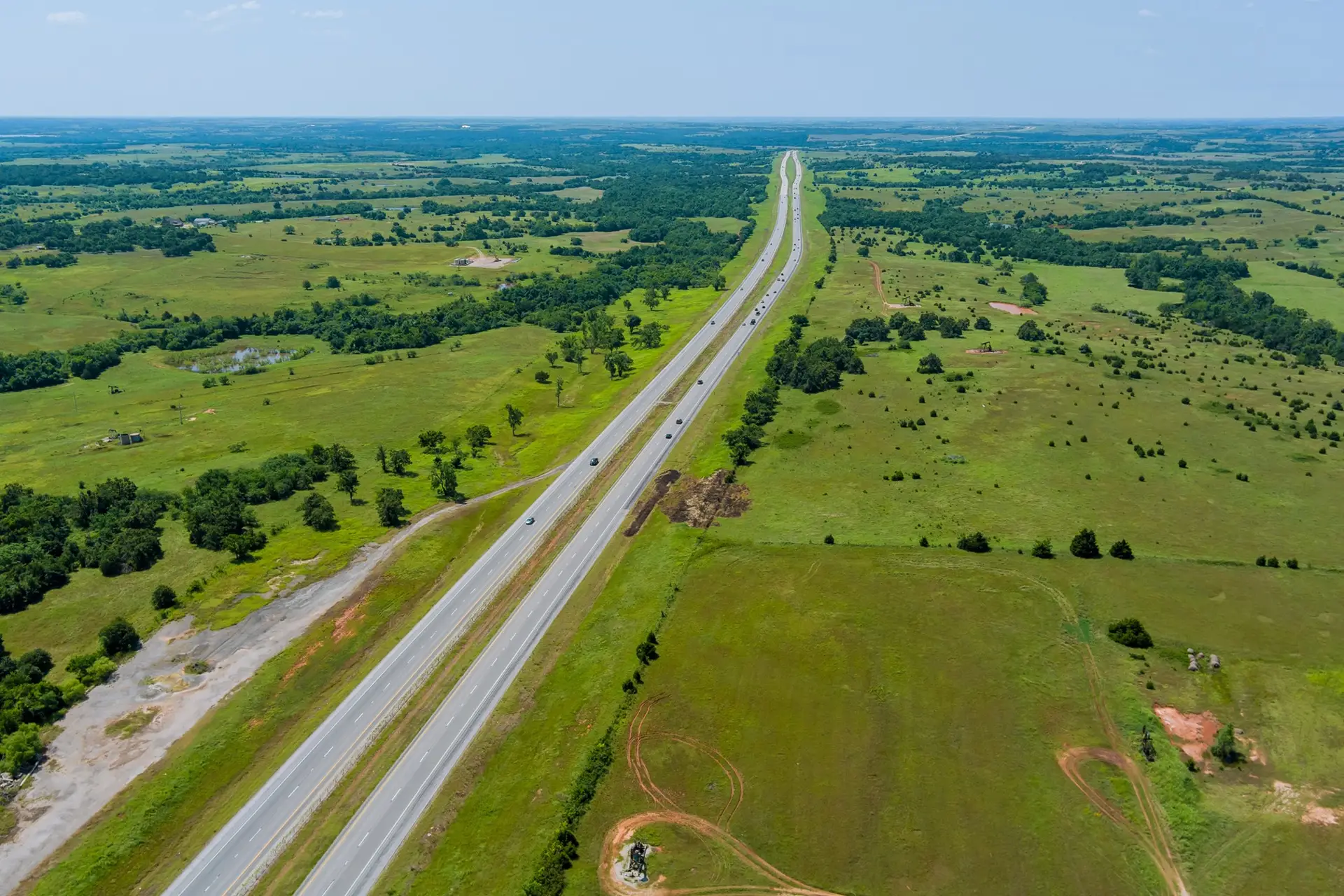
When people think about serious car accidents, they often picture congested highways in Oklahoma City or busy interstates like I-35 and I-40. But the truth is, some of the most dangerous crashes in Oklahoma don’t happen in heavy traffic at all.
They happen on quiet rural roads. Why? Because rural roads present unique dangers that many drivers underestimate.
At Colbert Cooper Hill, we have seen firsthand how devastating rural road accidents can be. If you or a loved one has been injured on a county road or rural highway in our state, an experienced Oklahoma car accident lawyer can help you find the justice and compensation you need.
Oklahoma Has a Significant Rural Road Safety Problem
Oklahoma is a largely rural state. Outside of Oklahoma City, Tulsa, and a handful of metro areas, much of the state is made up of:
- Two-lane highways
- County roads
- Agricultural routes
- Oil field access roads
- Gravel or poorly maintained surfaces
According to the United Health Foundation, about 36% of Oklahoma’s total population was estimated to live in rural areas in 2023.
Oklahoma consistently ranks among the states with a high percentage of traffic fatalities from rural road accidents. According to national transportation research nonprofit Trip, Oklahoma ranked 14th in states with the highest rural road fatality rates in 2024. Trip also noted that the rural traffic fatality rate in Oklahoma is almost double the fatality rate on all other types of roads.
The reasons are not random. Rural roads combine higher speeds, fewer safety features, and longer emergency response times—all of which increase the severity of accidents.
Why Are Rural Road Accidents Different?
A rural road accident often is not the same as a crash at a busy city intersection. Rural accidents tend to be more dangerous for several reasons.
Higher Speeds
Rural highways and county roads often have speed limits of 55 mph, 65 mph, or higher. Drivers may feel comfortable driving even faster because traffic is lighter.
But higher speeds mean:
- Longer stopping distances
- More severe impact forces
- Greater likelihood of catastrophic injuries
A head-on collision at rural highway speeds is far more likely to be fatal than a low-speed urban crash.
Two-Lane Roads and Head-On Collisions
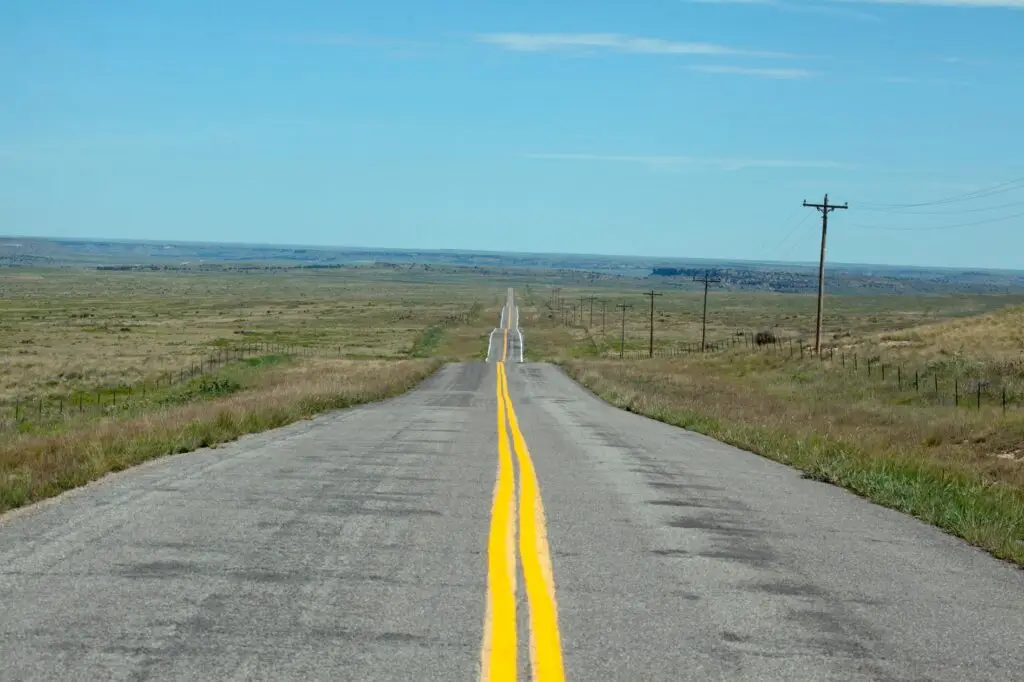
Many rural roads in Oklahoma are two-lane highways with no median barrier separating opposing traffic.
This increases the risk of:
- Head-on collisions
- Unsafe passing accidents
- Sideswipe crashes
A moment of distraction or drifting across the center line can turn deadly.
Limited Lighting and Visibility
Rural roads often lack:
- Streetlights
- Reflective lane markings
- Clearly marked shoulders
At night, drivers may encounter:
- Wildlife crossing unexpectedly
- Farm equipment traveling slowly
- Disabled vehicles without proper lighting
- Sharp curves with little warning
Reduced visibility makes it harder to react in time.
Narrow Shoulders and No Guardrails
Unlike major urban highways, rural roads frequently have:
- Narrow or nonexistent shoulders
- Ditches close to the roadway
- No guardrails
- Steep embankments
If a driver swerves to avoid an obstacle or loses control, there may be nowhere safe to recover.
Agricultural and Oil Field Traffic
In Oklahoma, rural roads often serve:
- Farm equipment
- Grain trucks
- Cattle trailers
- Oil field trucks and heavy equipment
These vehicles move slowly, make wide turns, and may enter highways unexpectedly.
Oil field traffic in particular can involve large commercial trucks traveling long distances on rural routes. When fatigue, heavy loads, or tight schedules are involved, risk can increase significantly.
Longer Emergency Response Times
One of the most overlooked dangers of rural crashes is delayed emergency care.
In metro areas, emergency responders may arrive within minutes. On remote county roads, it can take much longer.
When severe injuries like internal bleeding or traumatic brain injuries occur, every minute matters.
Common Causes of Rural Road Accidents in Oklahoma
While road design plays a role, many rural crashes are still caused by driver negligence, including:
- Speeding
- Distracted driving
- Driving under the influence
- Fatigue
- Unsafe passing
- Failure to yield
Because traffic is lighter, drivers may let their guard down. They may assume the road is empty or underestimate how quickly another vehicle can appear.
Rural Accidents Often Involve More Severe Injuries
Due to higher speeds and harsher crash dynamics, rural road accidents are more likely to result in:
- Spinal cord injuries
- Traumatic brain injuries
- Multiple fractures
- Internal organ damage
- Fatalities
When serious injuries occur, the financial impacts can include:
- Extensive medical bills
- Lost wages
- Long-term disability
- Ongoing rehabilitation
- Pain and suffering
That is why finding accountability through an Oklahoma car accident attorney matters.
BLOG: What Types of Compensation Can You Seek in a Personal Injury Claim?
Who Is Responsible for a Rural Road Accident?
Determining liability on rural roads can be complex. Possible responsible parties may include:
- A negligent driver
- A commercial trucking company
- An oil field operator
- A vehicle manufacturer
If poor road conditions such as missing signage or hazardous defects played a role, there may be additional legal considerations. Every rural road accident deserves a thorough investigation.
BLOG: How Do You Determine Truck Accident Liability in Oklahoma?
Safety Tips for Driving on Rural Oklahoma Roads
While you cannot control other drivers, you can take steps to reduce your risk of a rural road accident:
Slow Down
Even if the posted speed limit is high, adjust your speed based on road conditions, curves, weather, and visibility.
Avoid Distractions
Put your phone away. On a two-lane rural road, drifting even slightly over the center line can be catastrophic.
BLOG: What Does Oklahoma Law Say About Cell Phone Use and Distracted Driving?
Be Cautious When Passing
Never assume the road ahead is clear. Check carefully for oncoming traffic and avoid passing near curves or hills.
Watch for Wildlife and Livestock
Deer, cattle, and other animals are common on rural Oklahoma roads, especially at dawn and dusk.
Stay Alert for Farm and Oil Field Vehicles
Expect wide turns, slow speeds, and sudden entries onto highways.
Use Headlights Appropriately
Use headlights during low visibility and avoid high beams when approaching other vehicles.
What to Do If You’re Injured in a Rural Road Accident
If you’ve been involved in a crash on a rural Oklahoma road:
- Seek medical attention immediately
- Call law enforcement and obtain a crash report
- Document the scene if possible
- Avoid discussing fault with the other driver
- Contact an experienced Oklahoma car accident attorney
Rural accident cases often require additional investigation, especially if commercial vehicles or road conditions were involved.

How Colbert Cooper Hill Can Help
Rural road accident cases are not always straightforward. Insurance companies may argue that road conditions—not negligence—caused the crash. Commercial carriers may shift blame and evidence can disappear quickly.
When you work with The Wolf Pack™ at Colbert Cooper Hill, we:
- Conduct detailed accident investigations
- Work with accident reconstruction experts
- Evaluate road conditions and design issues
- Identify all responsible parties
- Fight aggressively against insurance companies
- Pursue full compensation for your injuries
We understand Oklahoma roads. We understand Oklahoma drivers. And we understand how to build strong cases for rural accident victims.
Injured on a Rural Oklahoma Road? Call The Wolf Pack™
Rural roads may feel quiet and open. But when accidents happen there, the consequences are often devastating.
If you or someone you love has been injured in a rural road accident in Oklahoma, you do not have to face the aftermath alone.
Contact Colbert Cooper Hill today for a free consultation with an Oklahoma car accident lawyer. Let The Wolf Pack™ fight for accountability and the compensation you deserve.
The content provided here is for informational purposes only and should not be construed as legal advice on any subject.